Sedimentation Tank Wastewater Treatment Solutions

All Categories

Sedimentation tank in wastewater treatment

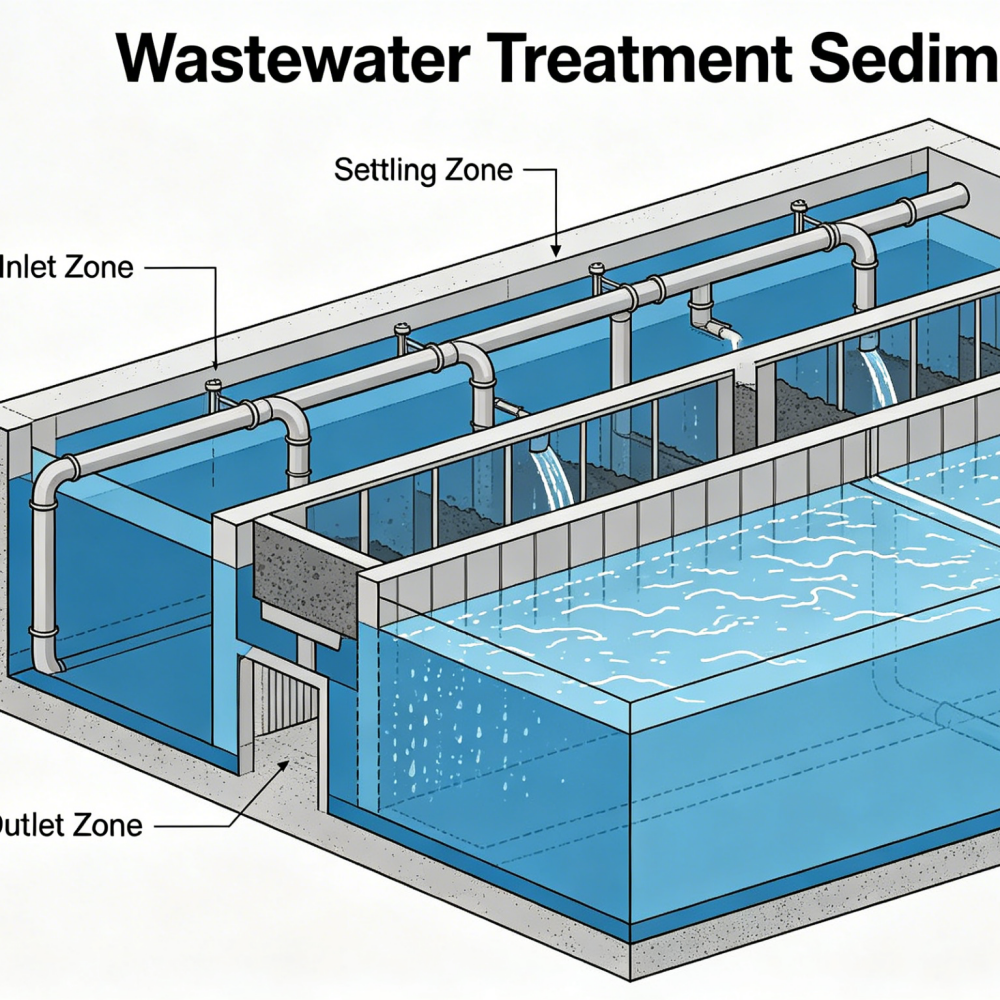
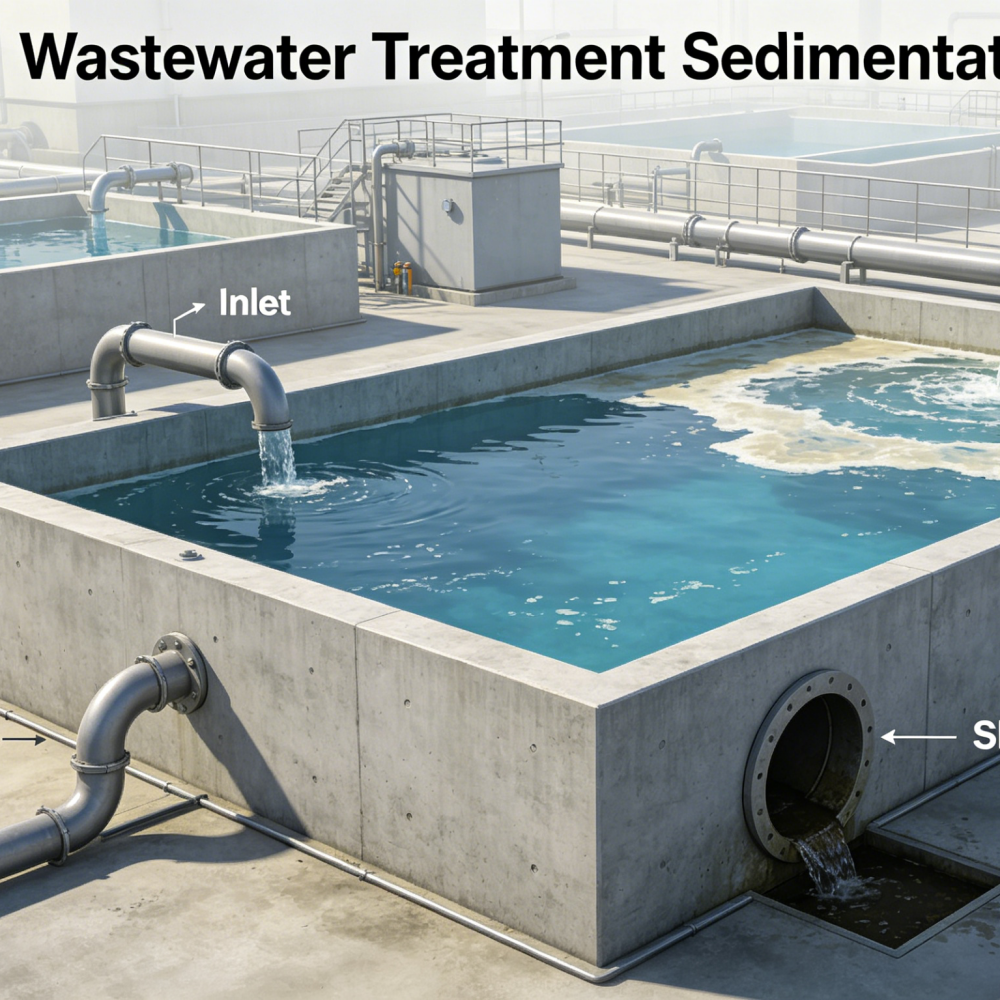
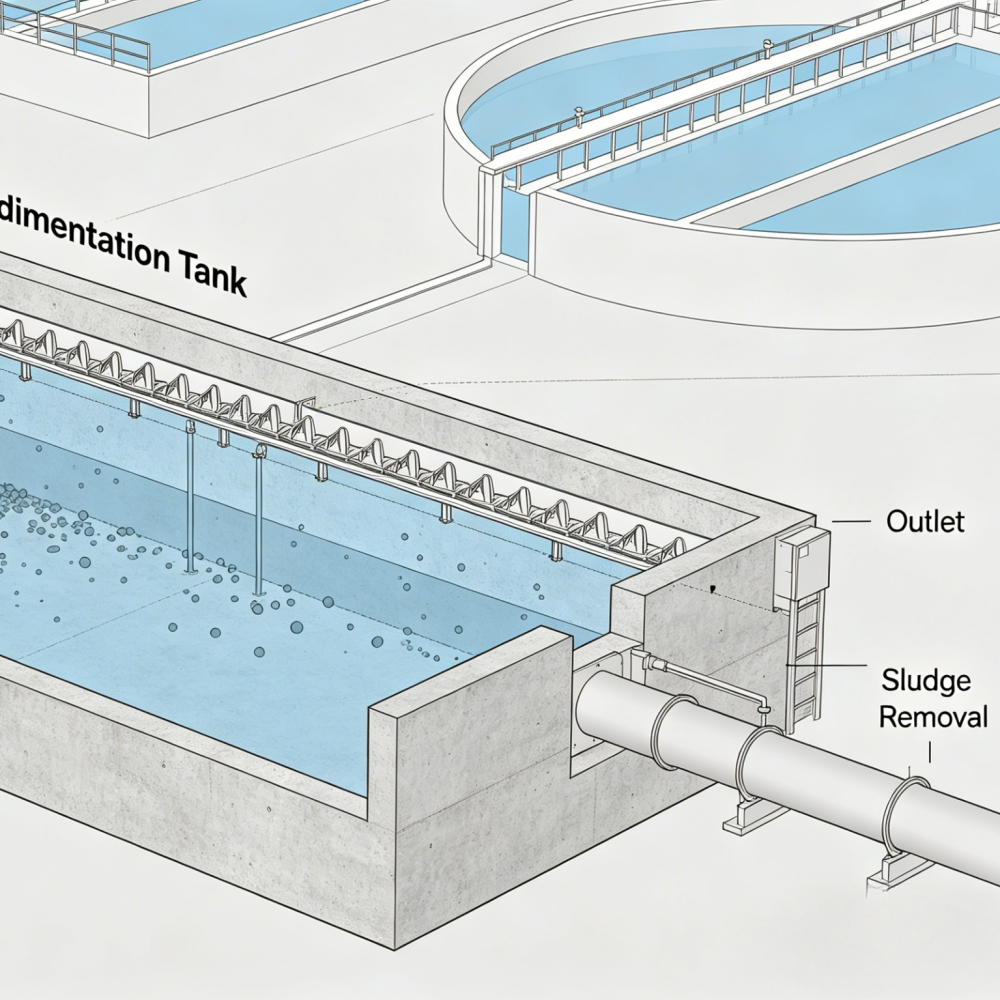
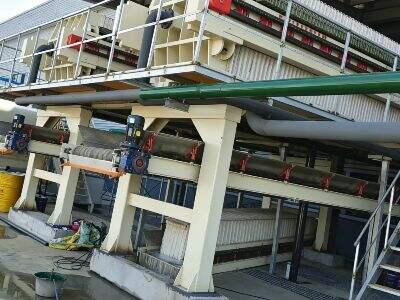
Imagine a big, quiet pool where dirty water gets a chance to clean itself up. That’s like what a sedimentation tank does in wastewater treatment. It’s a very important part of making sure the water we use doesn’t harm the planet when it goes back out. Think of it as a waiting room for tiny dirt bits and gunk floating in the wastewater. The sedimentation tank in water treatment is designed so the water moves slowly, giving the bits time to settle to the bottom like dust in a still room. This settling, called sedimentation, is a natural way to separate cleaner water from heavy stuff. Dinghui knows how vital this is, and we build equipment to help this natural cleaning happen as effectively as possible. It is a simple idea, but it makes a big difference for rivers and oceans.
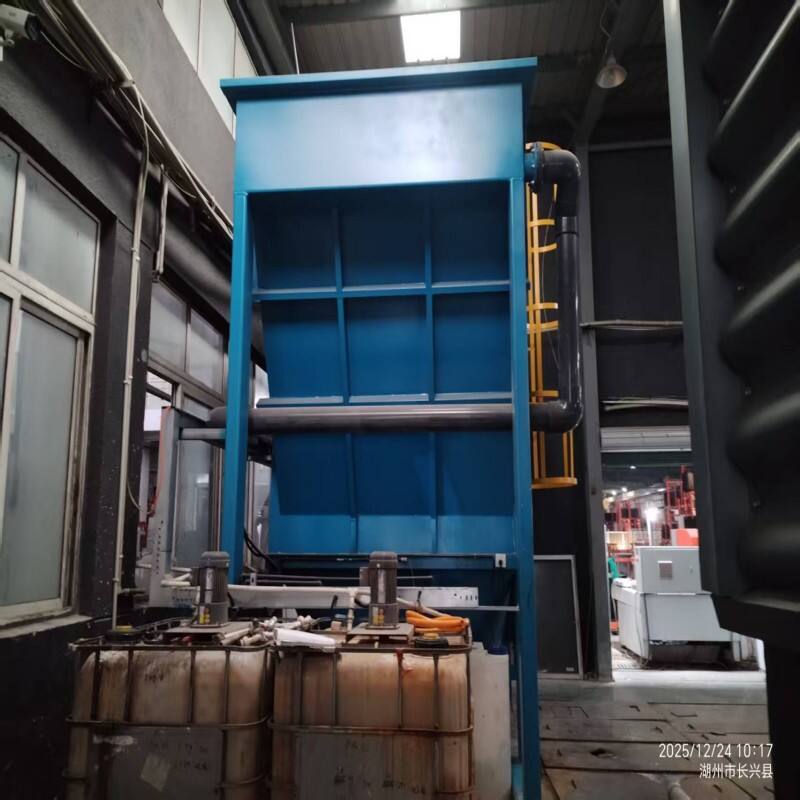
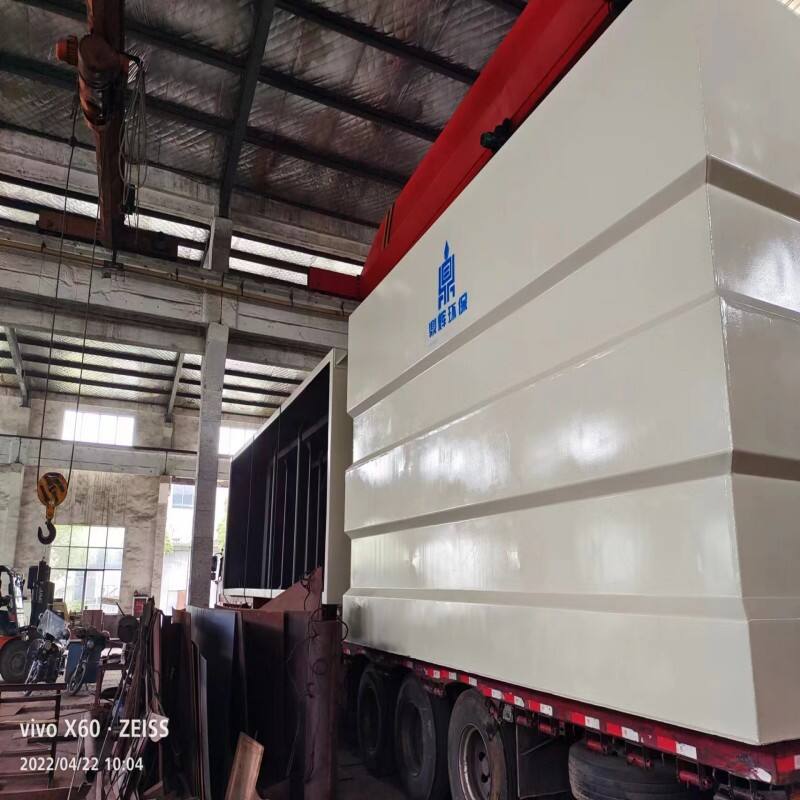
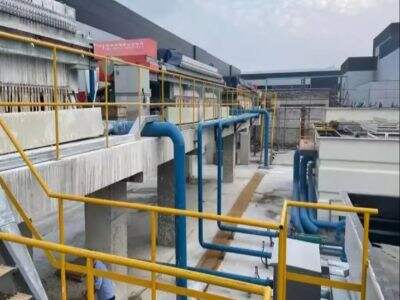
Why choose Dinghui Sedimentation tank in wastewater treatment

Our Products

Picking Sedimentation Tank for City Waste Treatment

For cities, treating home and business wastewater has different challenges than factories, but it is still important. Water from sinks and toilets has organic matter, grit, and suspended solids. The goal of a sedimentation tank is to remove floating stuff before next steps like bio-filters or disinfection. Dinghui knows city systems need reliable, cheap solutions. City operations handle huge water volumes daily. Design is critical: rectangular clarifiers have a horizontal flow, which is good for big flows with sludge collectors that push solids to a pit. Circular ones enter the center and flow out, with a rotating arm that moves sludge to the edge. The choice depends on space, flow rates, and waste type. If there is much grit like sand, you need a deeper hopper. Dinghui offers tough designs for continuous runs. We think about maintenance too; a hard-to-clean tank causes downtime. Our sedimentation tank water treatment is built to last long and be easy to service, so operators can keep things running smoothly.


Frequently Asked Questions

What is a sedimentation tank used for?

A sedimentation tank removes suspended solids from wastewater by gravity settling, clarifying water prior to further treatment or reuse.
We offer integrated, automated sedimentation tanks designed for glass industry wastewater, including primary and secondary clarifiers with CE-certified controls.
Our third-generation units provide high stable removal rates for suspended solids, optimized for glass processing streams to support reuse and regulatory discharge.
Yes. We provide engineering, construction and installation services to integrate our sedimentation tanks with existing wastewater systems and automation controls.
Products are CE certified and backed by R&D collaboration with universities, plus commissioning, maintenance guidance, and technical support.

Our Blog Posts

Energy-Saving Innovations in Reverse Osmosis Water Filter Systems

23

May

Energy-Saving Innovations in Reverse Osmosis Water Filter Systems

Water is very important for all us. One ways to get clean water come through reverse osmosis water filter systems. They uses special tech to remove bad things from water. But can use lots energy. Luckyly, there are new ideas help save energy when use...
View More
Quartz Sand Filtration: A Robust Pre-treatment Solution for RO Systems

09

Jun

Quartz Sand Filtration: A Robust Pre-treatment Solution for RO Systems

When it come to getting clean drinking water, lots of systems get used to make sure water safe for people. One such system is Reverse Osmosis (RO). It good at removing small bits, but it need some support to do its job best. That's where Quartz Sand ...
View More
Solving Silica Scaling in RO Systems: Pre-treatment Strategies and Case Studies

15

Jun

Solving Silica Scaling in RO Systems: Pre-treatment Strategies and Case Studies

Silica Scaling in RO SystemsSilica scaling happen a lot in reverse osmosis (RO) systems. It occur when silica, that compound in many water sources, build up inside. This scaling blocks the membranes and make the system less efficient. It’s like tryin...
View More
Custom Water Softener Systems for Boiler Feedwater and Process Water

10

Jun

Custom Water Softener Systems for Boiler Feedwater and Process Water

Water is so important for lots of stuff, specially in industries. One main use are in boilers, those machines that heat up water to make steam. This steam help with heating, running machines, and even cooking. But the water gotta be clean and soft. H...
View More

What Our Partners Say

Get a Free Quote

Our representative will contact you soon.
Email
Name
Company Name
Required Product
Message
0/1000

Related product categories

The Importance of Sedimentation Tanks in Zero Liquid Discharge (ZLD) Systems

The Importance of Sedimentation Tanks in Zero Liquid Discharge (ZLD) Systems

Imagine a big swimming pool for dirty water to clean up. A sedimentation tank lets heavy things settle to the bottom and light things float to the top to get clearer water. Dinghui makes sure tanks work well.


​Sludge Scum and Short-Circuiting

​Sludge Scum and Short-Circuiting

Sometimes problems happen in a sedimentation tank. Sludge Scumming occurs when bits do not sink or float but stick together to form a messy surface layer like a dirty raft. This is hard to remove and makes the outflow water dirty. Short-circuiting is when dirty water rushes through too fast, leaving no time to settle, like a leaf rushing by. The waste is not cleaned properly, and dirt escapes. Dinghui designs efficient sedimentation equipment to prevent scum buildup and to make the flow slow and steady so dirt settles well. You get cleaner water this way.


New Ideas for Better Waste Clearing

New Ideas for Better Waste Clearing

Dinghui is always thinking of new ways to make settling pools smarter. Just settling is not always enough for tricky water. So, adding special stuff like coagulants and flocculants helps particles stick together to become big and sink fast. We use our knowledge to find the best ones and the right amount. Also, the tank shape and baffles guide water smoothly, giving it more of a chance to settle. The goal is super-efficient tanks that clean well with little space and effort. The water that goes out is clear and safe for the environment.