 EN
EN

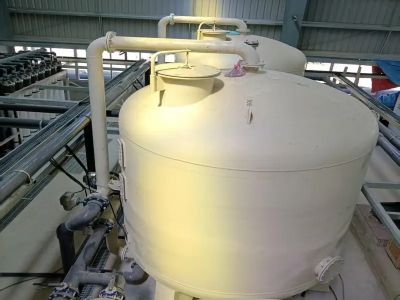
How Air Flotation and Sedimentation Work Together for Efficient Wastewater Treatment?
Air flotation and sedimentation are two essential technologies used in wastewater treatment to remove suspended solids, oils, grease, and other contaminants. While each process is effective on its own, combining them delivers significantly better treatment performance, especially for complex industrial wastewater.
At Dinghui, we integrate advanced air flotation and sedimentation systems to maximize contaminant removal, improve water quality, and help industries meet environmental discharge standards efficiently.
How Air Flotation Enhances Sedimentation in Complex Wastewater Treatment?
is an effective process for removing light contaminants that do not settle naturally. It works by injecting tiny air bubbles into the wastewater. These bubbles attach to suspended particles, oils, grease, and other low-density materials, causing them to float to the surface where they can be easily removed by a skimming system. After flotation removes the floating contaminants, the wastewater flows into the sedimentation stage. Here, heavier particles settle naturally to the bottom of the tank due to gravity, allowing them to be collected and removed as sludge. By air flotation equipment combining these processes, wastewater treatment becomes far more effective than using either method alone. Air flotation removes materials that are difficult to settle, while sedimentation efficiently captures heavier solids. The result is cleaner effluent with lower concentrations of suspended solids, oil, and other pollutants. This integrated approach is especially valuable for treating wastewater containing grease, fine suspended particles, emulsified oils, and mixed industrial contaminants. Dinghui's advanced treatment systems are designed to optimize both processes, delivering stable and reliable treatment performance.
How to Improve Wastewater Treatment with Air Flotation and Sedimentation
Optimizing wastewater treatment begins with understanding the characteristics of the wastewater being treated. Different industries produce wastewater with varying levels of oils, suspended solids, organic matter, and chemical pollutants. Identifying these characteristics allows operators to configure the treatment system for maximum efficiency. For wastewater containing high levels of oil and grease, increasing the amount of dissolved air can improve flotation performance by allowing more contaminants to rise to the surface. Likewise, adjusting chemical dosing and bubble generation can further enhance contaminant removal.
Sedimentation performance depends heavily on proper hydraulic conditions. Maintaining an appropriate flow rate allows suspended particles enough time to settle completely before the the tank. Excessive flow can reduce settling efficiency and lower overall treatment performance. Routine inspection and maintenance are also essential. Regular cleaning, equipment calibration, and system monitoring help maintain stable operation while preventing unexpected downtime. At Dinghui, we combine process expertise with advanced equipment design to help customers achieve consistent, high-quality wastewater treatment while reducing operating costs.
Where to Find Reliable Air Flotation Solutions for Complex Wastewater?
Choosing the right wastewater treatment equipment is critical for long-term performance. Dinghui provides advanced dissolved air flotation (DAF) systems specifically designed for industrial wastewater containing oils, grease, suspended solids, and other difficult contaminants. Our solutions are widely used across industries requiring efficient and reliable wastewater treatment. When evaluating air flotation equipment, it is important to review case studies, customer references, and technical documentation to understand how the system performs under real operating conditions. Reliable manufacturers should also provide air flotation device support, equipment selection guidance, and after-sales service. Industry exhibitions, technical seminars, and environmental conferences are also valuable opportunities to learn about the latest wastewater treatment technologies and discuss specific applications with experienced professionals. Working with a trusted supplier like Dinghui ensures access to expert support, customized system design, installation assistance, and long-term maintenance services.
How Air Flotation Improves Sedimentation Performance in Industrial Applications?
Industrial wastewater often contains contaminants with different physical properties. While sedimentation effectively removes heavy suspended solids, lightweight particles, emulsified oils, and grease frequently remain suspended and are difficult to settle through gravity alone. Air flotation addresses this limitation by generating microscopic air bubbles that attach to these lighter contaminants, lifting them to the surface for removal. Meanwhile, heavier solids continue settling naturally in the sedimentation tank. Using both technologies together significantly improves overall treatment efficiency. More contaminants are removed during the primary treatment stage, resulting in higher-quality effluent and reduced load on downstream treatment processes. Dinghui designs air flotation systems that integrate seamlessly with sedimentation equipment, making them ideal for industries such as food processing, chemical manufacturing, textile production, metal finishing, and other sectors that generate complex wastewater. This combined treatment approach also reduces chemical consumption, lowers sludge handling requirements, and decreases overall operating costs, making it both an environmentally and economically beneficial solution.
What Makes Air Flotation a Game-Changer for Complex Wastewater Treatment?
Air flotation has become one of the most effective technologies for treating difficult industrial wastewater because it can efficiently remove contaminants that traditional sedimentation alone cannot handle. One of its greatest strengths is versatility. Air flotation effectively removes oils, grease, fine suspended solids, algae, fibers, and other low-density pollutants from a wide variety of industrial wastewater streams.
Another major advantage is treatment speed. Dinghui's air flotation systems process large volumes of wastewater quickly, helping manufacturers maintain continuous production while reducing treatment bottlenecks. Space efficiency is another important benefit. Compared with many conventional treatment systems, dissolved air flotation equipment requires a relatively small installation footprint, making it suitable for facilities with limited available space. Most importantly, improved contaminant removal helps businesses comply with increasingly strict environmental regulations. Cleaner discharge dissolved air flotation tank reduces environmental impact while supporting sustainable industrial operations. With Dinghui's advanced air flotation and sedimentation technologies, industries can achieve faster, more efficient, and more reliable wastewater treatment while reducing operating costs and protecting the environment.
Table of Contents
- How Air Flotation and Sedimentation Work Together for Efficient Wastewater Treatment?
- How Air Flotation Enhances Sedimentation in Complex Wastewater Treatment?
- How to Improve Wastewater Treatment with Air Flotation and Sedimentation
- Where to Find Reliable Air Flotation Solutions for Complex Wastewater?
- How Air Flotation Improves Sedimentation Performance in Industrial Applications?
- What Makes Air Flotation a Game-Changer for Complex Wastewater Treatment?