 EN
EN

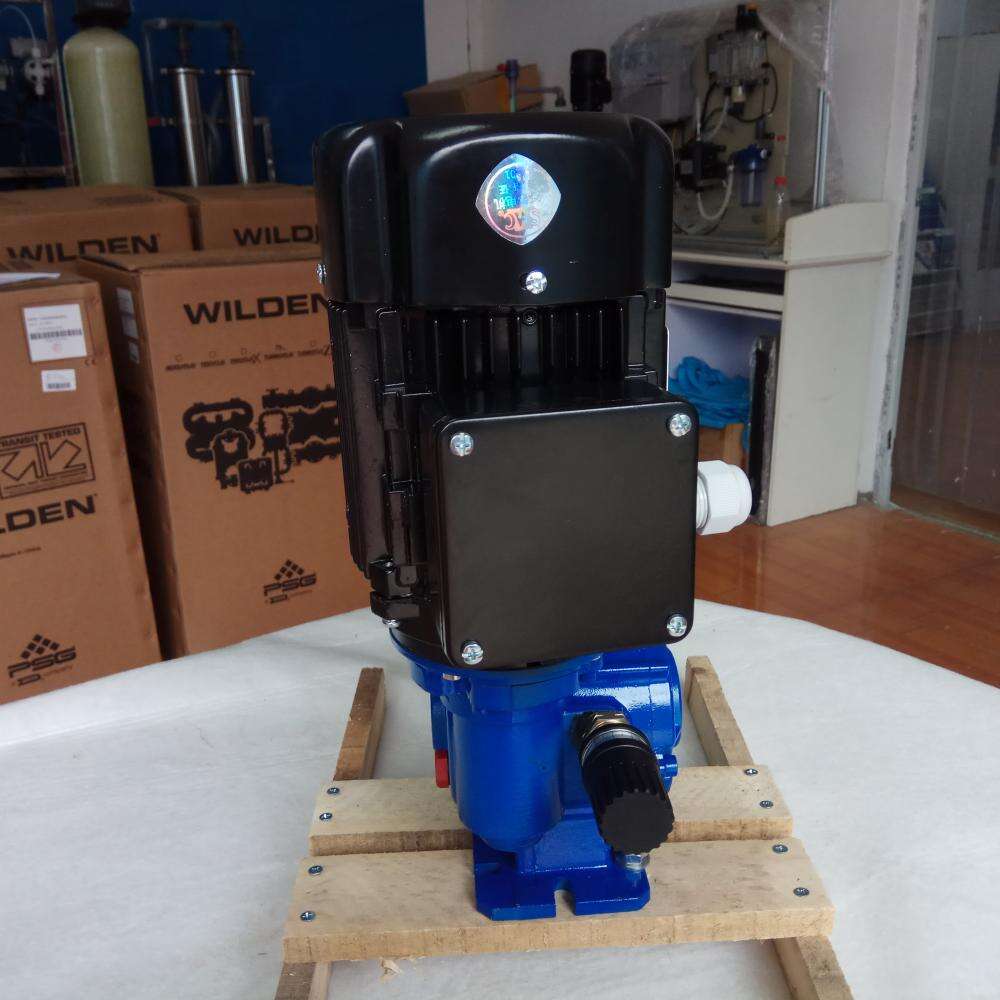
Water treatment is important for keeping our drinking water safe and clean. One way to help with this process is by using dosing pumps. Dosing pumps are machines that add the right amount of chemicals to water to kill germs and make it safe for us to drink. At Dinghui, we know how vital these pumps are in making water treatment easier and more effective. By using dosing pumps, water treatment facilities can ensure they add just the right amount of chemicals, which helps to keep the water clean without using too much. This is important because using too many chemicals can be bad for the environment and our health.
How to Optimize Water Treatment Processes with Advanced Dosing Pumps
To make water treatment even better, it's essential to use advanced dosing pumps. These pumps can be controlled easily, which mean they can add chemicals at different speeds or amounts based on what the water needs. For example, if the water is very dirty, the pump can add more chemicals quickly. And if the water is cleaner, the water pump can slow down and add less, because this flexibility helps plants save money and use fewer chemicals. Another great thing about these pumps is that they can connect to computers. So operators can monitor and adjust the pumps from a distance. They can see how much chemical is being used and change it if necessary. This real-time monitoring helps keep everything running smoothly. Many modern dosing pumps also have safety features to prevent accidents. For example, if the pump runs low on chemical, it can stop working or send an alert. This helps prevent problems before they happen. Lastly, regular maintenance is key. Keeping the dosing pumps clean and checking for any issues can make them last longer and work better. By optimizing the use of dosing pumps, water treatment facilities can improve their processes greatly.
Where to Source Wholesale Dosing Pumps for Your Water Treatment Needs
Finding the right dosing pumps is important for any water treatment facility. Dinghui offers a variety of dosing pumps that are perfect for different water treatment needs. When looking for pumps, it’s best to consider what type you need. There are diaphragm pumps, peristaltic pumps, and more. Each type has its advantages, depending on the specific job. For example, diaphragm pumps are good for handling harsh chemicals, while peristaltic pumps are often used for more gentle applications. It’s also wise to think about the size of the pump. Larger facilities might need bigger pumps that can handle more flow, while smaller operations might need something more compact. When sourcing these products, it’s best to buy in bulk to save money. Buying wholesale means you can get a discount, which is helpful for budget management. At Dinghui, we can help you find the right pump at a great price. In addition, consider the support offered by the supplier. A good supplier will provide guidance on installation and maintenance. This support is crucial, especially if you are new to using dosing pumps. In the end, sourcing from a reliable company like Dinghui can help ensure you get quality dosing pumps that will last and perform well in your water treatment processes.
What Are the Latest Trends in Dosing Pump Technology for Water Treatment?
Dosing pumps are important tools used in water treatment. They help add chemicals to water to make it safe and clean. Recently, there have been some exciting new trends in dosing pump technology. One major trend is the use of smart technology. Smart dosing pumps can connect to the internet and gather data. This means they can automatically adjust how much chemical they use based on the water's needs. For example, if the water is very dirty, the pump can add more chemicals. If it is cleaner, it can use less. This helps save money and makes the water treatment process more efficient. Another trend is the development of more durable and efficient pumps. Companies like Dinghui are working hard to create pumps that last longer and work better. These water transfer pump can handle tough conditions, like high pressure or corrosive chemicals. They also use less energy, which is good for the environment and reduces costs. Additionally, many new dosing pumps have better safety features. For example, they might have sensors that alert operators if there is a problem. This way, workers can fix issues before they become serious. Another trend is the focus on user-friendly designs. New pumps are easier to operate and maintain. This means that even people who are not experts can use them without trouble. Finally, there is a growing interest in eco-friendly solutions. Some dosing pumps are designed to reduce waste and use fewer chemicals. This is important for protecting our planet. As these trends continue, dosing pumps will become even more important in keeping our water clean and safe.
How to Troubleshoot Common Dosing Pump Problems in Automation
Even the best dosing pumps can have problems sometimes. Knowing how to troubleshoot these issues is important for keeping water treatment running smoothly. One common problem is when the pump does not deliver the right amount of chemical. If this happens, first check if there is a blockage in the pump or the tubing. Sometimes, dirt or debris can get stuck and stop the flow. Cleaning the pump and tubing can often solve this issue. If the pump is still not working correctly, check the settings. Make sure that the pump is set to the right dosage and that the controls are working properly. Another common issue is that the pump may make strange noises. This could mean there is a mechanical problem. If you hear unusual sounds, turn off the pump immediately and check for any loose parts or signs of wear. It's also important to ensure that the pump is properly primed. A pump that is not primed can suck in air instead of the liquid, leading to poor performance. To prime the pump, follow the manufacturer’s instructions, which usually involve filling the pump with liquid before starting it. Regular maintenance is key in preventing many problems. Always check the pump for leaks, wear, and tear, and clean it regularly. Dinghui provides excellent guidelines and support for maintaining dosing pumps, which can help you troubleshoot effectively. If these basic troubleshooting steps do not work, it may be time to contact a professional for help. They can provide expertise and assistance in fixing more complicated issues. By knowing how to troubleshoot common problems, you can keep your dosing pump working well and ensure that your water treatment process is efficient.
What Makes Automated Dosing Pumps Essential for Modern Water Treatment?
Automated dosing pumps are very important for modern water treatment systems. They help make sure that water is clean and safe for everyone to use. One of the main reasons these high pressure water pump are essential is that they provide precise dosing. This means they can add the exact amount of chemicals needed to treat the water. Too much or too little chemical can cause problems, so being accurate is crucial. Automated dosing pumps can measure the water quality and adjust how much chemical they add in real-time. This makes the treatment process much more efficient. Another reason these pumps are important is that they save time and labor. In the past, workers had to manually add chemicals to the water. This was not only time-consuming but also risky. With automated dosing pumps like those from Dinghui, the process is much simpler. The pumps can be programmed to work on their own, which means that workers can focus on other important tasks. Moreover, automated dosing pumps help reduce the risks of human error. When people are involved, mistakes can happen. But with automation, the chances of adding the wrong amount of chemical are much lower. This leads to safer water treatment. In addition, these pumps often come with advanced features like monitoring systems that alert operators if there is a problem, making it easier to maintain quality control. Lastly, automated dosing pumps are also better for the environment. They can minimize chemical waste and improve overall efficiency, which helps protect our planet. With all these benefits, it’s clear that automated dosing pumps are essential for modern water treatment processes, ensuring that our water remains clean and safe for everyone.
Table of Contents
- How to Optimize Water Treatment Processes with Advanced Dosing Pumps
- Where to Source Wholesale Dosing Pumps for Your Water Treatment Needs
- What Are the Latest Trends in Dosing Pump Technology for Water Treatment?
- How to Troubleshoot Common Dosing Pump Problems in Automation
- What Makes Automated Dosing Pumps Essential for Modern Water Treatment?