 EN

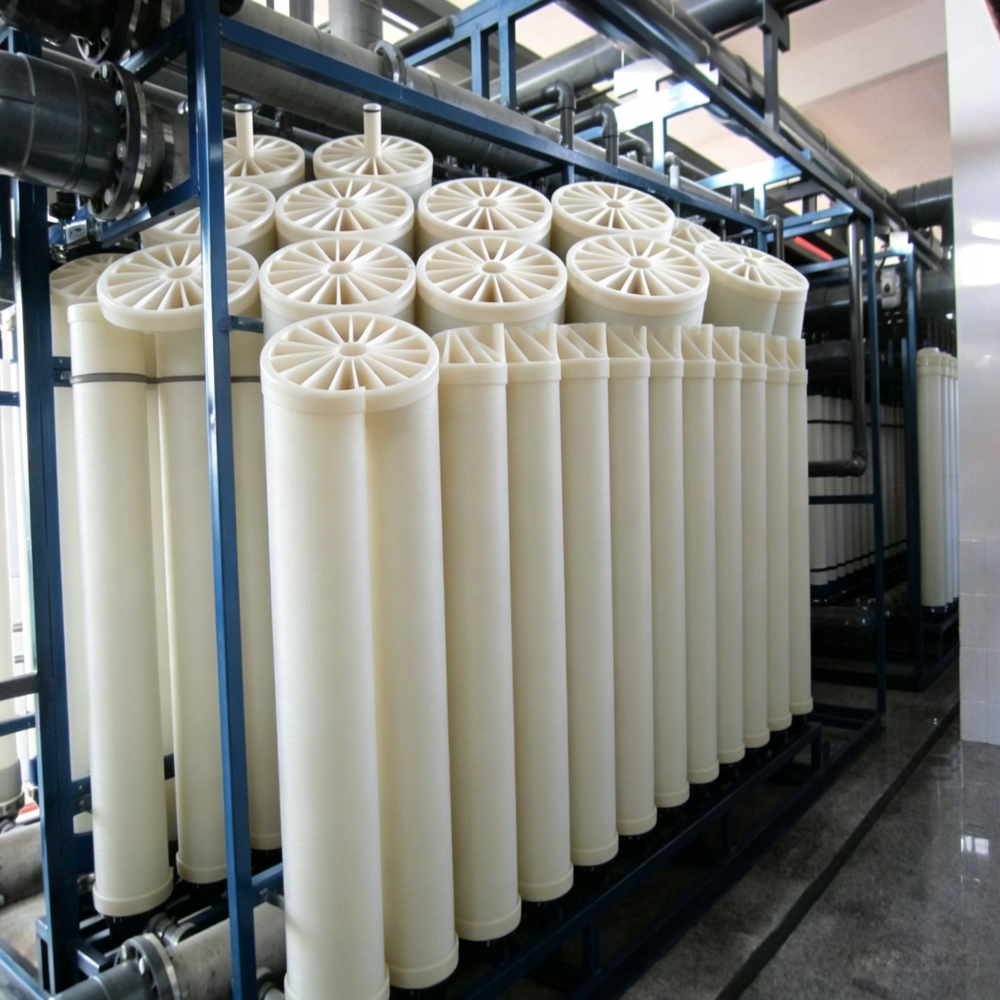
Keeping your water gear in good shape matter a lot. At Dinghui, we know that well kept machines help save you money and time. When you care for your devices, they run better and last much longer. That mean fewer issues and less stoppages. It's like looking after a vehicle; usual check-ups keep it going smooth. So, we'll discuss how to build solid care plans and how to notice and repair usual troubles with water gear.
How to Create an Effective Water Equipment Maintenance Plan
Making a care plan for pure water equipment might seem tricky, but it’s mostly about getting organized. First off, list all the gear you own. Jot down stuff like the brand, type, and when you got each one. This help you track everything easy. Then, figure out how often to inspect each thing. Some pieces need looks every month, others just once yearly. Next, note what to do in each inspection. For example, with pumps, you can check for drips or hear odd sounds. And it’s wise to keep a record of what you done in each check. That way, if trouble hits, you can see if it was inspected lately. A key part is assigning jobs to team folks. Ensure everyone know their duties. Training count too; your group should understand how to handle the gear and what to watch for in care. Plus, remember spare bits! Keeping extra filters or gaskets around save time if something break. Finally, follow your timetable! Steady care is the top way to keep things flowing well.
Common Water Equipment Problems and How to Identify Them Early
Sometimes, stuff go wrong with your water gear. Spotting those early is crucial. One usual problem are leaks. If water pools under a pump or tank, that signal something off. You gotta check seals and tubes. Tighten joins or swap worn seals can fix it. Another issue might be weird noises. If gear sound different from normal, it could mean inner trouble. Listen close; maybe it’s wear or a loose bit. Vibrations can also show issues. If a pump shakes more than usual, it might need balance or care. Clogs is another big one. If water don’t flow right, look at filters and meshes. Clean or change them if dirty. And if you see rust or eating away, that hint bigger problems. Act fast, because ignoring signs lead to worse later. Usual inspections and knowing what to seek will keep your gear in fine form. Your water stuff is key for work, so caring for it pays in the end.
What Care Habits Keep Water Gear in Top Shape?
Caring for your water equipment is super important to ensure it function well. At Dinghui, we think regular upkeep help everything run smooth. One top habit is checking for leaks. If water drip from tubes or links, it waste water and cause more trouble down the line. It’s good to hunt these every month. Clean filters are vital too. They trap dirt and bits to keep water pure. If filters get clogged, water taste off and strain the gear more. You should clean or swap them every few months, based on usage. Another habit is to look over hoses and fittings. Over time, hoses wear and crack. Regular looks catch issues before a mess or damage happen. In addition, always check water pressure. If it’s too high or low, it can harm equipment. Use a gauge to make sure it’s okay. Lastly, keep your gear clean always. Dust and grime build up and make parts fail. Wiping surfaces and clearing junk help a ton in keeping peak condition. Steady attention to these will ensure your water gear work long.
How Often Water Gear Need Maintenance Checks?
Knowing when to check your water equipment is key for good condition. At Dinghui, we suggest a simple schedule to follow. For daily looks, glance at the system to see if all run smooth. This can be easy, like spotting leaks or normal flow. Monthly checks matter too. In them, inspect filters, hoses, and joins. Cleaning filters monthly help water quality. Every three to six months, do deeper checks. This cover pressure and part functions. If odd things like noises or drips show, check right away. And yearly, get a pro inspection. It might feel much, but catching issues early save hassle. Regular checks will cut costs and keep efficiency. Sticking to this, your gear last longer and do better.
How to Make Sure Your Water Gear Meet Standards with Upkeep
To ensure your RO water equipment hit industry rules, steady maintenance is essential. At Dinghui, we get that following regs matter for safety and quality. First, stick to maker’s guides. They give schedules and tips usually. Doing that keep you compliant best. Also, log all upkeep work. Noting what done show patterns and when next fix due. This record help prove standards if needed. Another step is stay current on rules. They change with new tech and laws. Join groups or get newsletters to know. With this, train your team. Teach proper habits so all understand and why it count. Lastly, if unsure about standards, call a pro. They inspect thorough and adjust as need. Taking these, your gear stay safe, good, and up to top standards.