 EN
EN

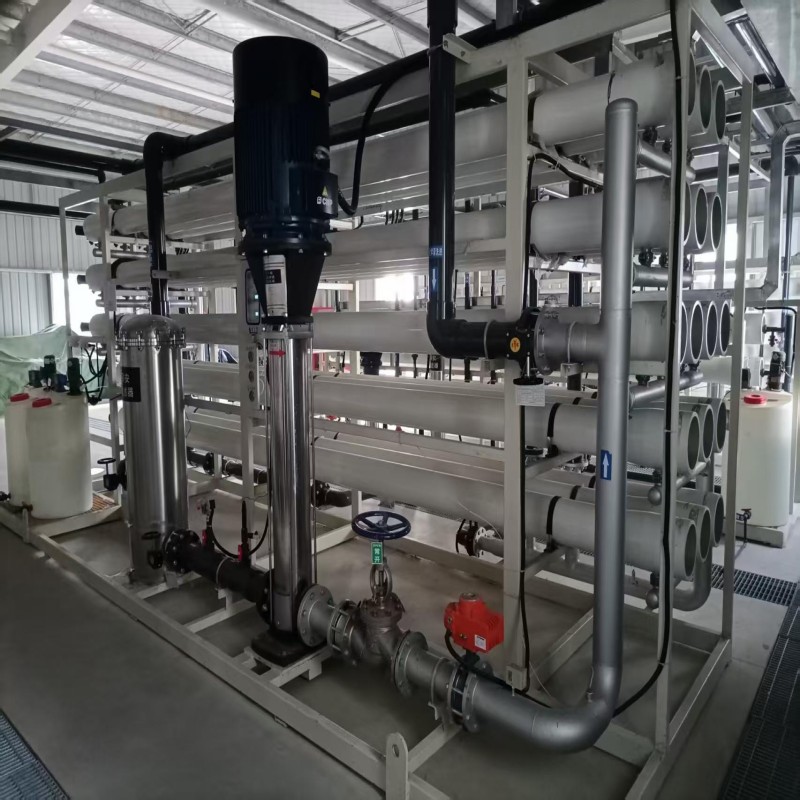
High-turbidly wastewater from glass grinding can be a real challenge for makers. This murky water got lots of small bits that make it hard to look through. It cause serious problems for nature if you don't handle it right. Dinghui get how to tackle this type of wastewater. We think finding ways that work well and safe for the environment is key. So let's chat about dealing with this tough water and what gear you might need.
How to Manage High-Turbidity Wastewater in Glass Making?
Handling high-turbidly sewage treatment equipment in glass making is super important. First off, it protect the environment. When you grind glass, it make tons of fine glass bits and dust. If this water get dumped in rivers or lakes, it harm fish and plants. To fix this, places like Dinghui work on cleaning the water before sending it back out. One method is sedimentation tanks. These let heavy stuff sink to the bottom. Then the clearer water above can get pulled out and cleaned more. That's a solid start!
And another good way is filters. Filters catch those small glass particles that tanks might let slip. There is various kinds, like sand ones and membrane types. Membranes work great for tiny bits. They clean water to a high standard. After that, often companies add chem to make it even cleaner. For example, a coagulant help particles clump and drop faster.
It's key too to check wastewater quality regular. Testing show how good your treatments are doing. If it's still dirty, you can tweak things. Maybe switch filter types or add extra chem. Dinghui know each place is unique, so balance is crucial for every spot. Training workers on wastewater handling is another big part. They should learn to run and fix equipment right. This keep things smooth and safe.
How to Pick Right Gear for High-Turbidity Glass Wastewater?
Picking the right gear for treating high-turbidly glass wastewater matter a lot. Dinghui have options, but know your needs first. Start with operation size. A small shop need different stuff than big factory. For small ones, basic sedimentation tanks and simple filters can do the job. These handle low amounts well.
For big makers, advanced setups usually need. They might want larger tanks and stronger filters. Membrane systems is a good pick for murky water. These deal with high volumes and pull out small particles. They cost more upfront but save later by avoiding fines.
Type of waste count too. Different glass create vary turbidity levels. Choose gear that fit your materials. Like, recycled glass might need tougher systems for extra dirt.
Last, think about upkeep. Some gear need more care. Dinghui suggest easy-to-maintain ones. This let workers keep it running without hassle. Always talk to experts for picks. They guide based on your setup. Investing right help manage wastewater and guard the environment.
Where to Get Reliable Wholesale Fixes for Glass Wastewater?
Finding good treatment for glass grinding wastewater can be hard, but it's vital. Companies like Dinghui provide solid wholesale stuff to help businesses handle it. Start by searching online. Many list products on sites. You get details on systems, how they work and what special. Reviews from users show if it works well. That's useful to know what expect.
Another way is go to trade shows or conferences. These let you meet suppliers face-to-face. Ask stuff, see demos, feel the tech. Dinghui often show new products there. Hands-on help decide better. Plus, network with glass pros can lead to good suppliers. They share tips on who helped them.
You can also contact local environment agencies or experts. They know best practices and point to vendors. They give advice on what systems fit your needs. Remember, it's not just about price; reliability and how well it works matter. With Dinghui, you find wholesale solutions that keep operations smooth and protect nature.
What Techs Lead in Glass Wastewater Handling?
In glass waste treatment plant handling, tech play a big part. There many ways to treat murky water, and some lead ahead. One key is sedimentation. This remove solid bits from water. Grinding glass mix tiny pieces in, making it muddy. Sedimentation let them settle in tank bottom, so clean water come from top. It's efficient to cut turbidity and boost quality.
Another cool one is filtration. Systems use stuff like sand or membranes to grab leftover particles. Advanced ones catch what sedimentation miss. This matter because businesses want super clean water before release. Dinghui lead in making these filters better and user-friendly.
Chemical treatment is another top tech. Add special chem to split solids from water. It work well for high-turbidly stuff. Helps break down bits and ease cleaning. But use chem careful so no environment harm. Dinghui make solutions that effective and planet-safe.
Some places use advanced like membrane bioreactors. These mix bio treatment with filtering in one go. Microbes break waste, then filter water. It's getting popular for very clean results. With these options, pick what fit. Dinghui commit to special solutions for managing glass wastewater.
How to Follow Rules for High-Turbidity Wastewater Disposal?
Dealing with high-turbidly wastewater, sticking to regulations is crucial. These rules protect nature and health. Every business making wastewater from glass grinding must comply. First, learn local and national laws on disposal. This mean reading environment guides from agencies. Many say how clean water need be before release to rivers.
Monitor wastewater solutions quality regular is another step. Test for turbidity and pollutants. This show if treatments work. If still murky, adjust methods. Dinghui offer monitoring tools to track quality. Testing keep you on top of issues and meet standards.
Train staff is key for compliance. Make sure all know why proper treatment matter. Sessions teach regs and best ways. When team aligned, managing wastewater easier.
Work with environment consultants give extra help. They explain rules and guide meeting them. Prep for inspections too. Stay informed and active ensure compliance. With Dinghui assist, navigate this and keep glass operations efficient and green.