 EN
EN
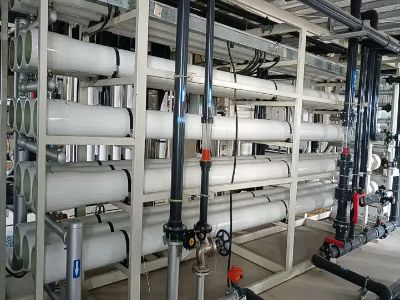
Water is really important for heavy industries, like factories and manufacturing plants. But using too much water can hurt the environment and cost a lot of money. That's why many companies, including Dinghui, are looking for better ways to manage water. Sustainable water management means using water wisely and not wasting it. This can help industries save money, protect the planet, and ensure they have enough water for the future. By being smart about how they use water, heavy industries can make a big difference for themselves and the environment.
What Are the Key Benefits of Sustainable Water Management in Heavy Industries?
Sustainable water management has many benefits for heavy industries. First, it helps save water, which is a precious resource. When companies use less water, they can lower their bills. For example, a factory that recycles water can reduce its water costs significantly. This not only saves money but also helps the environment by reducing the amount of water taken from rivers and lakes.
Second, using water wisely can improve a company’s reputation. Nowadays, consumers care about how companies treat the environment. When a company shows Complete dosing system is responsible with water, customers feel better about buying from them. This can lead to more sales and loyal customers.
Third, sustainable practices can help industries comply with regulations. Many places have rules about how much water can be used and how waste is managed. By adopting better water management practices, companies can avoid fines and legal issues. This means they can focus on their business instead of worrying about legal problems.
In addition, managing water sustainably can lead to special ideas. Companies often develop new technologies to conserve water, like advanced filtration systems or rainwater harvesting. These innovations not only help the environment but also keep companies competitive. They can sell new products or services related to water management, opening new markets and increasing profits.
Finally, sustainable water management can protect ecosystems. Heavy industries often impact local waterways, which can harm fish and other wildlife. By reducing water usage and pollution, companies can help keep these ecosystems healthy. This is good for the planet and for communities that rely on clean water. Dinghui believes that when industries take care of the water, they take care of the world, making it a better place for everyone.
Where to Source Eco-Friendly Water Management Solutions for Heavy Industries?
Finding eco-friendly water management solutions is essential for heavy industries that want to be responsible. There are many places to look for these solutions. First, companies can work with specialized consultants. These experts understand water management and can provide customized solutions. Sewage Treatment Equipment can help industries assess their water usage and find ways to improve.
Another option is to research new technologies. Many companies are developing special tools and systems that help save water. For example, sensors can monitor water usage in real-time, helping factories see where they can cut back. Companies can also look for software that helps manage water resources more efficiently.
Trade shows and industry conferences are great places to find the latest advancements in water management. At these events, companies can meet suppliers and see new products in action. Networking with other businesses can also lead to finding solutions that have worked for others. Sharing experiences can inspire new ideas and approaches.
Online platforms can also be used to find eco-friendly solutions. Many websites focus on sustainable practices and can connect businesses with the right resources. These platforms often have reviews and ratings, making it easier to choose the best options.
So, collaboration with local governments and environmental organizations can lead to new opportunities. These groups often have programs to support industries in adopting sustainable practices. Dinghui encourages industries to reach out to these partners. Working together, they can create better water management systems that benefit everyone. By exploring these options, heavy industries can find special and eco-friendly ways to manage water, ensuring a sustainable future for all.
What Special Technologies Are Changing Water Management Practices?
Water is very important for heavy industries like factories and plants. These industries use a lot of water for making products, cooling machines, and cleaning equipment. However, using too much water can harm the environment. That’s why companies like Dinghui are looking for new technologies to manage water better. One exciting technology is called water recycling. This means that instead of throwing away used water, businesses can clean it and use it again. For example, if a factory uses water to cool down its machines, that water can be cleaned and reused instead of just wasting Filter press. Another cool technology is smart sensors. These sensors can be placed in pipes to check how much water is being used. If there is a leak, the sensors will alert the workers immediately. This helps save water and money. There are also new systems that use special filters to clean dirty water. These filters can remove harmful chemicals and make the water safe to use again. Dinghui is working hard to use these technologies to help industries save water and protect the environment. Finally, there are apps that help companies track their water use. By using these apps, businesses can see where they are using too much water and find ways to use less. All these special technologies are making a big difference in how heavy industries manage water.
How to Improve Following Environmental Rules in Water Management?
Following environmental rules is very important for heavy industries. These rules help protect our rivers, lakes, and oceans from pollution. Companies like Dinghui know that keeping the environment safe is key to their success. One way to follow these rules better is by training employees. When workers understand the importance of water management, they are more likely to follow the rules. Companies can hold workshops or classes to teach their staff about the right ways to handle water. Another important step is to regularly check water quality. This means testing the water used in factories to make sure it is clean and safe. If the water is dirty, companies must fix the problem right away. Dinghui also encourages businesses to create a water management plan. This plan outlines how to use water wisely and reduce waste. Having a clear plan helps everyone know their responsibilities. Additionally, companies can work with local communities to stay updated on environmental laws. By building good relationships, industries can learn about new rules and share their own practices. Finally, using technology can help industries stay compliant. For example, software can track water use and ensure it meets legal standards. By combining training, planning, and technology, heavy industries can follow environmental regulations and protect our precious water resources.
What Are the Latest Trends in Sustainable Water Management for Industrial Buyers?
Sustainable water management is becoming more popular among industrial buyers. They are looking for ways to use water responsibly and reduce waste. One big trend is the use of green technologies. Many companies are investing in systems that save water and energy. For example, rainwater harvesting is a growing practice. This means collecting rainwater from roofs and using it for industrial processes. It helps save fresh water and is good for the environment. Another trend is the demand for eco-friendly products. Industrial buyers are looking for materials and chemicals that do not harm water sources. This is where companies like Dinghui come in. They offer solutions that are safe for the environment and help industries meet their sustainability goals. With this, there is a shift towards collaboration. More companies are working together to share knowledge and resources. By joining forces, they can find better ways to manage water and reduce costs. Finally, many buyers want to see clear results. They are interested in companies that provide data and reports showing how much water is saved and how it helps the environment. Transparency is key. Overall, these trends show that sustainable water management is not just a choice anymore; it is a necessity for industrial buyers who want to do their part in protecting our planet.
Table of Contents
- What Are the Key Benefits of Sustainable Water Management in Heavy Industries?
- Where to Source Eco-Friendly Water Management Solutions for Heavy Industries?
- What Special Technologies Are Changing Water Management Practices?
- How to Improve Following Environmental Rules in Water Management?
- What Are the Latest Trends in Sustainable Water Management for Industrial Buyers?