 EN
EN

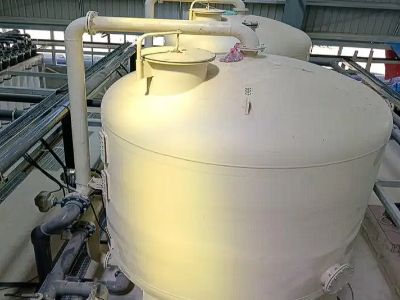
Water softners play an important role in lots of industrial processes, particular in heat exchangers. Heat exchangers transfer heat between two or more fluids. When hard water get used in these systems, it lead to scale formation. Scale is that hard, chalky stuff that block pipes and lower efficiency. This is why water softners come in handy. They remove minerals like calcium and magnesium from water. By doing so, they keep heat exchangers working smooth and efficient. At Dinghui, we know how vital it is to maintain operations flow in any industry, and water softners are a major part of that.
Benefits of Water Softeners in Heat Exchangers
Water softners give several benefits, especially for heat exchangers. First off, they improve heat transfer efficiency. Scale act like an insulator when it forms, making heat harder to move between fluids. So the system work harder, using more energy and costing extra money. With a water softner, you can stop scale from forming at all. This bring down energy costs and boost performance. In addition, less scale mean less maintenance needs. You don't have to clean heat exchangers so often, saving time and labor. That's super key for businesses that depend on these systems daily. Complete dosing system keep things running without surprise breakdowns. Water softners also extend equipment life. Scale buildup can damage over time, leading to expensive repairs or replacements. So with a softner, you protect your investment. Overall, using water softners in heat exchangers is a smart move that lead to big savings and better efficiency.
How Water Softeners Stop Scale in Industrial Uses
Water softners work by taking out hard minerals from water through ion exchange process. In this, hard minerals get swapped with sodium ions. This make water soft and help prevent scale in heat exchangers. In industrial settings, Sewage Treatment Equipment is especially crucial because systems often face high pressure and heat. When hard water flow through, the heat cause minerals to come out and form scale. But softened water make this less likely to happen. For instance, and more dependable. Water softners can help other ways too, like cutting down on chemicals for water treatment. That's better for environment and save money long term. In short, water softners are key for stopping scale and keeping industrial heat exchangers operating smooth.
Finding Good Water Softeners for Heat Systems
If you need a water softner for heat exchange system, there are places to check. One good choice is companies that focus on water treatment. They usually offer various softners to pick from. When searching online, try words like "good water softners" or "Dinghui softners." This help find quality products. It's important to read reviews and see what others say about them. Reviews give idea on how well they work and if worth the buy.
You can go to local stores for home improvements too. Many carry water softners and help choose right one for your needs. Ask staff for tips; they often know a lot and suggest best options. Somtimes they show demos on how softners work, which help understand better before deciding.
Another way is online marketplaces. These sites sell lots of stuff with good prices. You can compare brands and models, including Dinghui ones. Just check if seller is reliable and has return policy. That's key if the softner don't meet what you expect.
Last, talk to industry pros. If you know someone working with heat systems, they might recommend high-quality softners. They share experiences with brands and help find best fit for you. Remember, putting money into a solid water softner is essential to keep your heat system running well.
Problems from Scale in Heat Exchangers
Scale formation is common issue in heat exchangers, and it cause several troubles. When water heat up, minerals like calcium and magnesium stick to inside surfaces. This buildup call scale. Over time, scale create problems that make heat exchanger less effective. One big issue is lower heat transfer efficiency. Scale act as barrier between water and heat surfaces. So the exchanger work harder, wasting energy and raising costs.
Another trouble from scale is overheating. If heat transfer not efficient, temperature inside rise too high. This damage the system and can lead to failure. In industrial places, overheating create dangerous spots, especially where safety matter most.
Scale also bring more maintenance and repair expenses. Buildup often need cleaning or part changes. These tasks take time and money, which frustrate businesses relying on exchangers daily. If not handled right, Pure Water Equipment lead to worse problems later.
To sum up, scale in heat exchangers cause serious stuff like less efficiency, overheating, and higher costs. For that, it's vital to prevent scale, and water softners help with that. They keep exchangers running smooth and efficient, which is crucial for heat transfer systems.
Role of Water Softeners in Better Energy Use
Water softners have a big role in making heat exchangers more energy efficient. When used, they remove hard minerals like calcium and magnesium from water. By this, they stop scale from forming inside. Without scale, heat exchangers transfer heat better. This mean less energy need to heat water or run the system.
When systems run efficient, they save energy, which good for environment and cut costs. Lower bills are major plus for homes and businesses. Using a water softner not only improve exchanger performance but also save money over time.
Plus, water softners lead to longer equipment life. Systems without scale have fewer breakdowns and less maintenance. Businesses spend less on repairs, focusing on their main work. A good exchanger can last years without big fixes.
Dinghui softners are made for quality solutions that boost energy efficiency in heat systems. With them, you ensure smooth and efficient running. In the end, buying a good water softner is wise for keeping exchangers in top condition and saving on energy.