 EN
EN

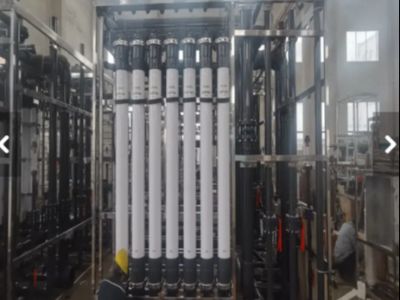
When building a sedimentation tank for your factory or plant, its important to get it right. A sedimentation tank help separate solid particles from liquids. This are crucial in many industries, like food processing or wastewater treatment. If the tank is too small, it won't work well, and if its too big, you waste space and money. At Dinghui, we understand the need for a well-sized tank. Figuring out the right size involve looking at several factors that can affect how well the tank works.
What Factors to Consider When Sizing a Sedimentation Tank for Industrial Use?
First, lets talk about the factors that matter when sizing a sedimentation tank. One key factor is the flow rate of the water or liquid that enters the tank. This is how quickly the liquid moves through the tank, and efficient sedimentation equipment can change based on the time of day or season. For instance, if your factory runs at full capacity during summer, the flow rate might go up, meaning you need a bigger tank. Another important thing is the type of solids in the liquid. Are they heavy or light? Heavy solids settle faster, so you might need a smaller tank if the solids are very dense. The temperature of the liquid also play a role; warmer liquids can hold fewer solids, which could require adjustments in tank size. And think about how long you want the liquid to stay in the tank. Longer retention times can help with better separation of solids, so if you want to keep the liquid longer, you’ll need a larger tank. At Dinghui, we help our clients understand these factors and how they change based on their specific needs.
How to Calculate the Flow Rate for Your Sedimentation Tank Accurately?
So now that we know what factors to consider, lets look at how to calculate the flow rate for your sedimentation tank. First, you need to gather some information about your industrial process. Start by measuring how much liquid you typically process in a day. This helps you find the daily flow rate. For example, if your factory produces 10,000 liters of liquid waste each day, thats your flow rate. Next, divide this number by the number of hours your plant operates daily. If your factory runs for 8 hours, then your flow rate would be 10,000 liters divided by 8, which equals 1,250 liters per hour. This number is essential because it tells you how much liquid enters the tank every hour. You can also check for any peak flow times, such as during production shifts. At Dinghui, we recommend always rounding up your calculations to ensure that the tank can handle unexpected surges. Understanding your flow rate helps ensure that your sedimentation tank works efficiently and meets your production needs, leading to better outcomes for your factory.
Where to Find Good Resources for Sedimentation Tank Sizing Guidelines?
When you need to size a sedimentation tank for your industrial needs, finding reliable information is very important. One of the best places to start is online. Many websites offer guidelines, articles, and even videos on how to size these tanks properly. Look for resources from trusted organizations or universities that specialize in environmental science or engineering. For example, you can check out government websites that deal with water quality and treatment. water pump often have free resources available that explain how sedimentation tanks work and how to size them according to different flow rates.
Another great option is to look for books or manuals written by experts in the field. These books can provide detailed information and examples that help you understand the sizing process better. You can find these books in libraries or bookstores, and sometimes even online as e-books. In addition, check out research papers or case studies. These documents often show real-life examples of how other industries sized their sedimentation tanks, which can give you useful insights.
With this, attending workshops or training sessions can be incredibly helpful. Many companies, including Dinghui, offer training programs that teach you about sedimentation tanks and their sizing. These sessions can give you hands-on experience and the chance to ask questions to experts. Finally, remember to connect with professionals in your industry. Networking with others who have experience with sedimentation tanks can lead you to valuable resources and advice that you might not find on your own.
Common Mistakes in Sizing Sedimentation Tanks and How to Avoid Them
Sizing a sedimentation tank is not always easy, and many people make common mistakes that can lead to problems later on. One of the biggest mistakes is not understanding the flow rate of the water that will go into the tank. If you underestimate the flow rate, the tank might not be big enough to handle all the water, which can cause overflow or inefficient separation of particles. To avoid this mistake, always measure the flow rate accurately. Take the time to gather data over a period of time, rather than just relying on a single measurement.
Another mistake is not considering the type of material that will settle in the tank. Different materials settle at different rates. If you size your tank based on the wrong material, water transfer pump may not work as intended. To avoid this, you should study the types of particles in your water and their settling velocities. This information can help you determine the right size for your tank.
Thats why, some people forget to account for future changes in flow rate. Industries can grow and change, which might mean more water to treat in the future. If you size your sedimentation tank too small, you might have to go through the costly process of upgrading later. To prevent this issue, its wise to plan for future increases in flow rate when sizing your tank. Finally, always double-check your calculations. It might seem simple, but a small math error can lead to a big problem.
How to Optimize Sedimentation Tank Performance for Industrial Processes?
Optimizing the performance of a sedimentation tank is crucial for ensuring that it works effectively for your industrial process. One of the first steps to optimization is to ensure the right design of the tank. Factors like the shape and depth of the tank can significantly affect how well it performs. For example, a wider tank allows more particles to settle down without being disturbed by incoming water. Dinghui recommends designing tanks with the right dimensions based on the specific flow rates and types of materials being treated.
Another way to optimize performance is by controlling the flow rate entering the tank. If the flow rate is too high, it can disturb the settling process and reduce efficiency. Consider using flow control devices to manage how quickly water enters the tank. This way, you can maintain a steady flow that allows particles to settle effectively.
And you should also monitor the tank regularly to check for any issues. Regular maintenance, like cleaning out sludge and checking for clogs, can help keep your tank running smoothly. If you notice that certain materials are not settling properly, it may be time to adjust the tank size or design. Furthermore, adding chemicals can help improve the settling of particles. Coagulants and flocculants can help clump smaller particles together, making it easier for them to settle at the bottom.
Lastly, always seek feedback from your team about the tanks performance. They may notice things that you don't and can provide suggestions for improvement. By focusing on these areas, you can optimize your sedimentation tank to work efficiently for your specific industrial processes.
Table of Contents
- What Factors to Consider When Sizing a Sedimentation Tank for Industrial Use?
- How to Calculate the Flow Rate for Your Sedimentation Tank Accurately?
- Where to Find Good Resources for Sedimentation Tank Sizing Guidelines?
- Common Mistakes in Sizing Sedimentation Tanks and How to Avoid Them
- How to Optimize Sedimentation Tank Performance for Industrial Processes?