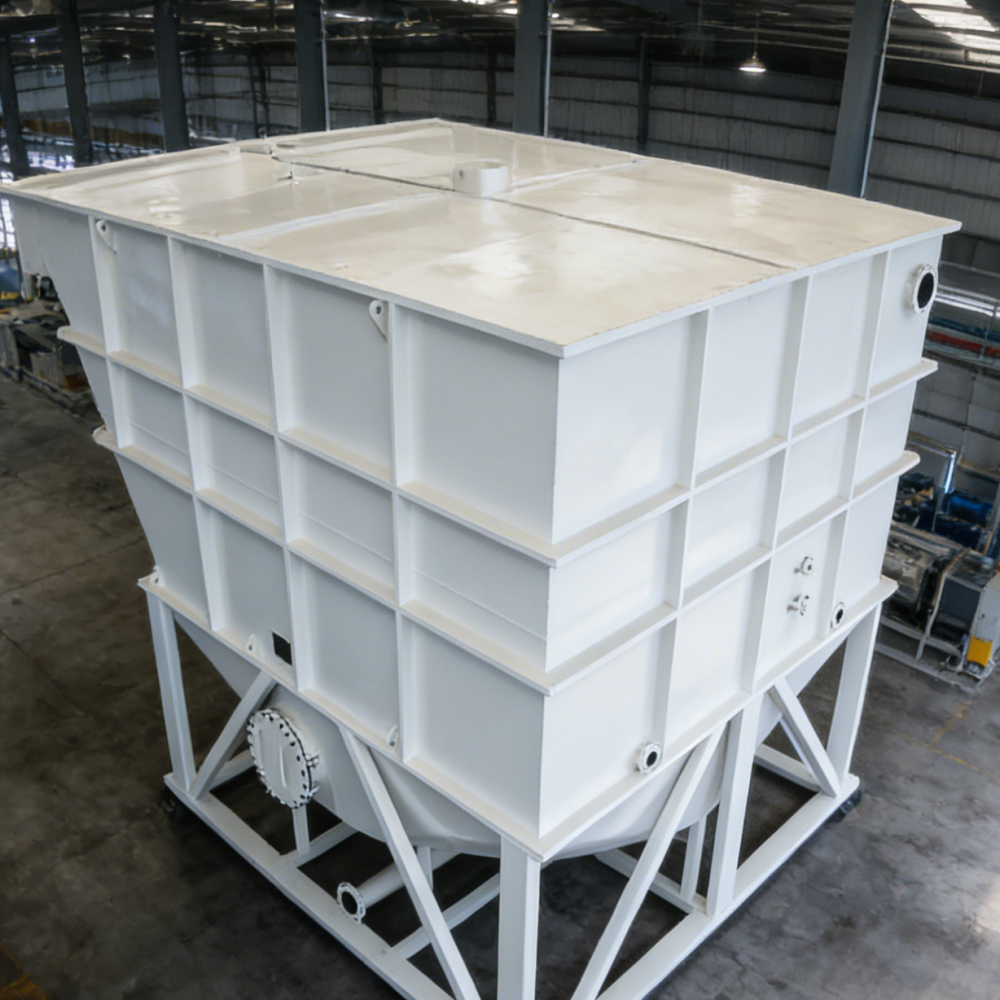
Sedimentation Tank Types: Selection Guide

All Categories

Sedimentation tank types

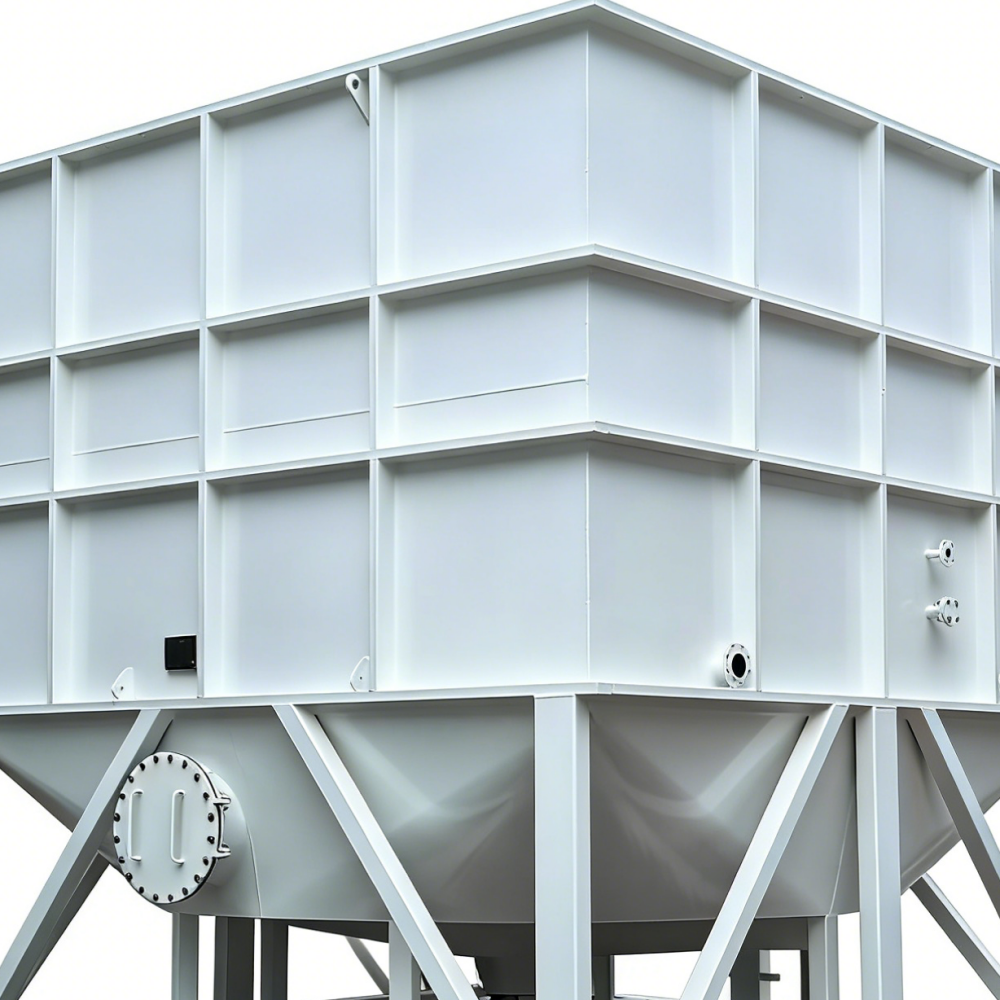
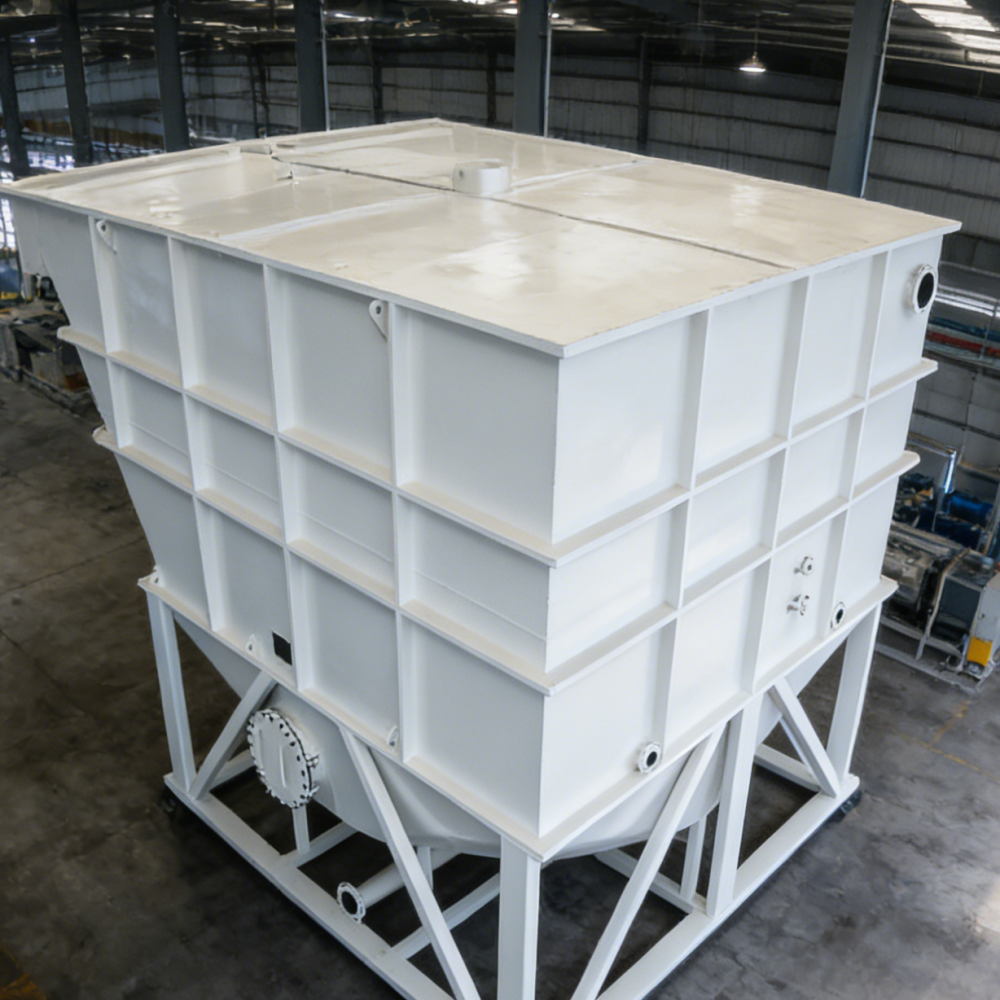
When we talk about cleaning water, especially in factories or wastewater treatment plants where lots of dirt needs removing, we often use a sedimentation tank. Think of it like a big, calm pool where the water slows down a lot. Heavier bits, called sediment, sink to the bottom because they no longer have the energy to float. This step is very important for achieving cleaner water. At Dinghui, we know how key this is for industries, and we think a lot about making these tanks work at their best. It's not just about building a box; it's about a design that follows nature's way of settling, so the water that comes out is much cleaner. We see many cases, from big plants to small ones, and each needs a different approach to get the best results from their tanks. It's like picking the right efficient sedimentation equipment; you don't use a tiny screwdriver to build a house, right? Size, shape, and water flow all matter. We are proud to help clients find the perfect fit to make their water treatment efficient.
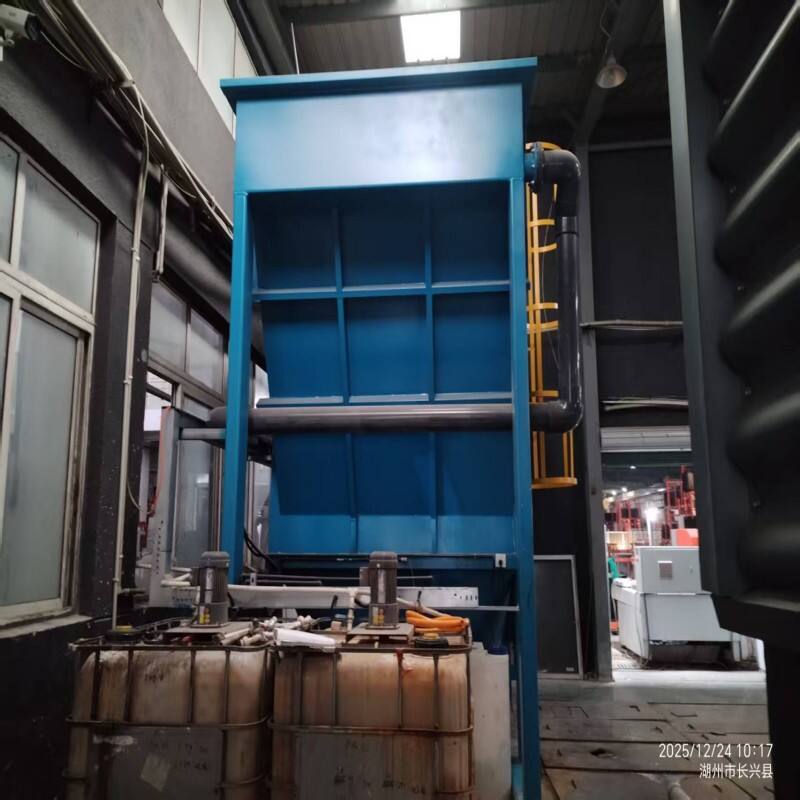
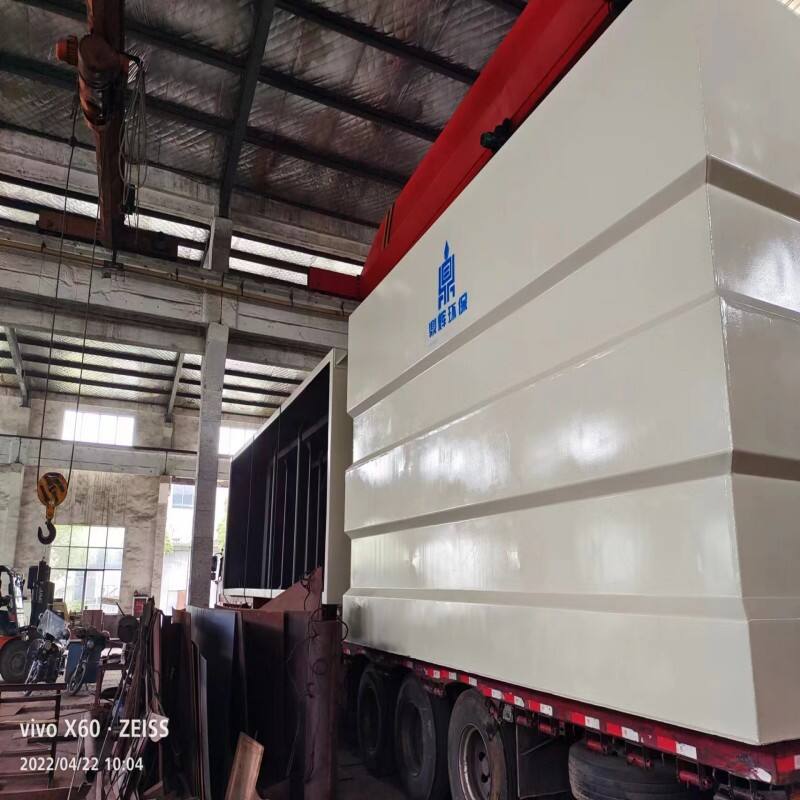
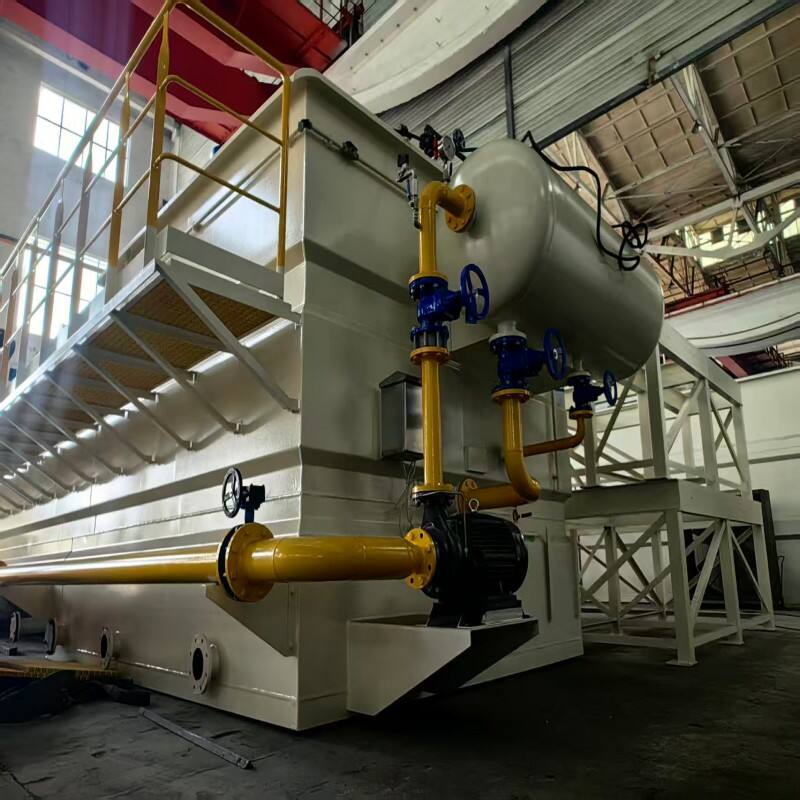
Why choose Dinghui Sedimentation tank types

Our Products

Exploring Sedimentation Tank Designs for Best Solids Separation

Looking at designs, each one has its unique strengths. A common type is the rectangular tank, which features a long, shallow channel. Water enters at one end and slows down as it travels toward the other exit, allowing sediment to sink gradually. This design is good for consistent flow and settling fine solids. The bottom features a scraper rake that moves sludge to a pit, removing it continuously so it does not re-suspend. I recall a project with dense sludge that needed a robust system just to push the heavy stuff. Flow control must be handled carefully; if the water flows too fast, it will not settle, but if it flows too slowly, you end up needing a massive, costly tank. Then there are circular tanks, which are completely round. Water enters the center and flows outward toward the edge. The cone-shaped bottom funnels sludge toward the center outlet, which is highly efficient. This type is good for varying particle sizes because it ensures an even spread. However, swirling can cause turbulence, keeping lighter particles floating if the inlet is poorly designed. Therefore, inlet design is critical to gently spread the water. Special types include inclined plate settlers, also known as lamella clarifiers. At Dinghui, we customize these sedimentation tank systems; for sticky sludge, we add baffles and aggressive scraping mechanisms.


Frequently Asked Questions

What types of sedimentation tanks do you offer?

We supply primary, secondary, lamella (inclined plate), and tube settler sedimentation tanks tailored for glass wastewater treatment and reuse.
Selection depends on flow rate, solids load, space, and treatment goals; our engineers assess your process and recommend the optimal tank and configuration.
Yes. Our sedimentation tanks are compatible with highly automated integrated equipment for stable operation and remote control.
Yes. Our products comply with CE requirements and are developed with university partners to meet high-tech wastewater standards.
Yes. We offer integrated R&D, engineering construction, installation, commissioning, and technical support for long-term operation.

Our Blog Posts

How Submerged Ultrafiltration (iUF) Systems Achieve 80% Water Reuse in Glass Manufacturing

11

May

How Submerged Ultrafiltration (iUF) Systems Achieve 80% Water Reuse in Glass Manufacturing

Water is very important in many industries, glass manufacturing no exception. It a process that use lot of water, and sometimes lead to waste. That where Dinghui come in with its Submerged Ultrafiltration (iUF) systems. These systems special because ...
View More
Ultrafiltration vs. Traditional Filtration: Performance Comparison for Industrial Applications

06

Jun

Ultrafiltration vs. Traditional Filtration: Performance Comparison for Industrial Applications

Ultrafiltration and traditional filtration are two key methods to clean water and liquids, mostly in factories. To understand the differences between them help business pick the right setup for what they need. Ultrafiltration use special films to pul...
View More
Solving Silica Scaling in RO Systems: Pre-treatment Strategies and Case Studies

15

Jun

Solving Silica Scaling in RO Systems: Pre-treatment Strategies and Case Studies

Silica Scaling in RO SystemsSilica scaling happen a lot in reverse osmosis (RO) systems. It occur when silica, that compound in many water sources, build up inside. This scaling blocks the membranes and make the system less efficient. It’s like tryin...
View More
Custom Water Softener Systems for Boiler Feedwater and Process Water

10

Jun

Custom Water Softener Systems for Boiler Feedwater and Process Water

Water is so important for lots of stuff, specially in industries. One main use are in boilers, those machines that heat up water to make steam. This steam help with heating, running machines, and even cooking. But the water gotta be clean and soft. H...
View More

What Our Partners Say

Get a Free Quote

Our representative will contact you soon.
Email
Name
Company Name
Required Product
Message
0/1000

Related product categories

Finding the Right Type for Your Project

Finding the Right Type for Your Project

Afterward, water moves to secondary sedimentation, which takes place after bacteria have eaten the smaller dirt particles and turned them into clumps that easily settle. As the water flows in, these clumps sink, allowing the sludge to be removed. The outgoing water is much cleaner than the primary inflow. While primary sedimentation catches the big junk, secondary sedimentation handles the small, processed bits after biological cleaning. Both stages are absolutely needed for a real, deep clean.


Key Differences Primary vs Secondary Sedimentation Tanks

Key Differences Primary vs Secondary Sedimentation Tanks

Dinghui is here to help because we know different operations have different needs. We offer efficient tanks that handle big processes without slowing down your operations. We use good materials that resist rust and damage, providing sedimentation tank in water treatment designs like long rectangular or circular tanks depending on your space and flow requirements. Dinghui will guide you through your large-scale needs to ensure top-tier cleaning.


Ideal Sedimentation Tank for Business

Ideal Sedimentation Tank for Business

Is picking the right tank for your business tricky? It all comes down to what you are cleaning and how much of it you have. It's just like choosing any tool for a job; you only need a small sink for a few dishes, but you need a massive setup for a restaurant kitchen. First, look at the liquid type: is it muddy water, or does it contain oils and chemicals? This will help you decide on the right design.