 EN
EN


The Importance of Glass Wastewater Treatment
Global Ecological Threat of Glass Wastewater
Against the dual backdrop of global water scarcity and increasingly stringent cross-border environmental governance, the transnational transmissibility and composite hazards of wastewater pollution from the glass industry have become increasingly prominent. Glass wastewater, which contains high concentrations of suspended solids, heavy metals, and refractory organic compounds, is crossing national borders through water cycles and trade chains.
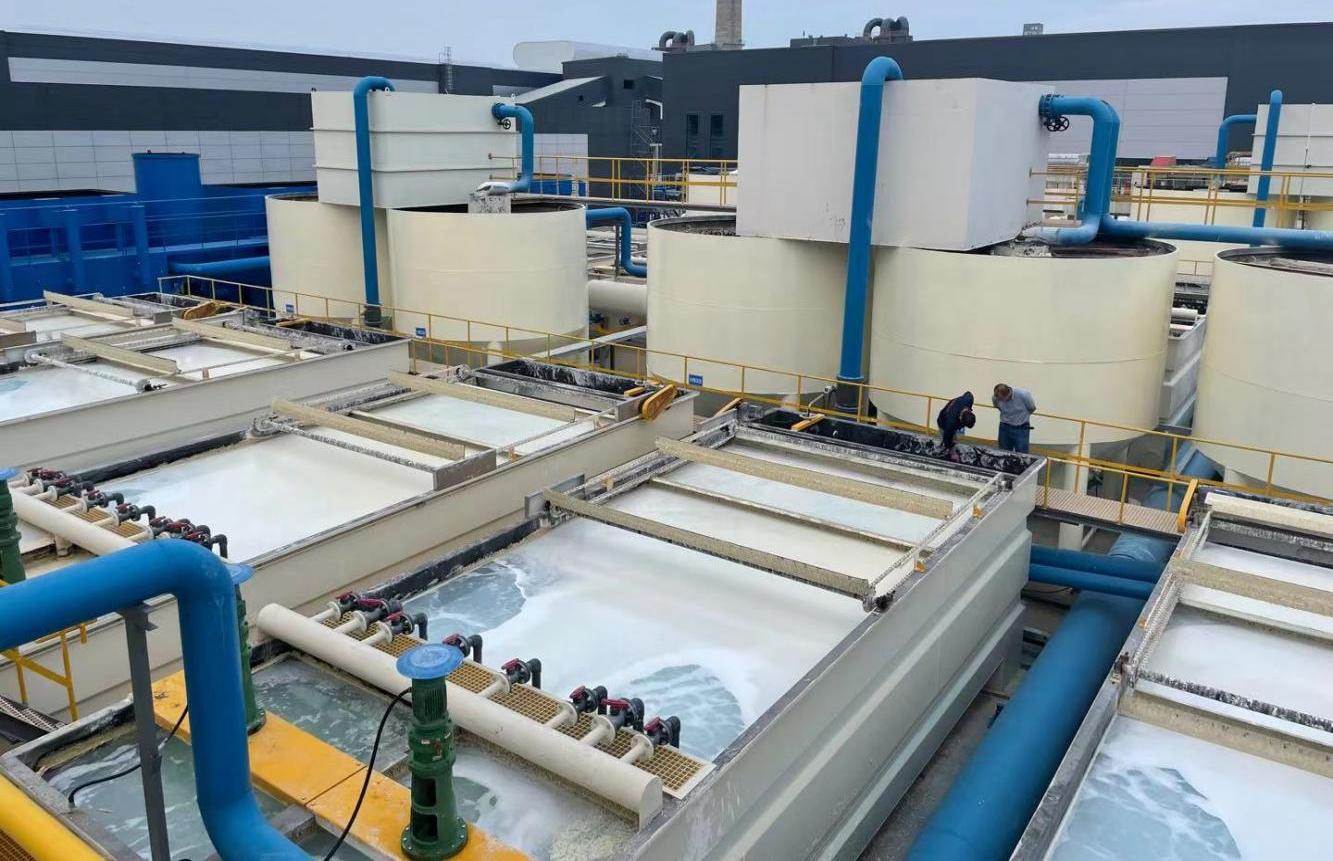
The Impact of Glass Wastewater on Global Ecosystems
-
Freshwater Ecosystems: In Southeast Asia, river basin pollution caused by the direct discharge of production wastewater is common. Pollutants spread along transboundary rivers such as the Mekong River, affecting the freshwater ecology of multiple countries.
-
Food Safety Risks: Heavy metals like chromium and nickel accumulate progressively in the food chain, spreading globally through the fishery trade, causing cross-border food safety risks.
-
Soil Salinization and Groundwater Pollution: In arid regions like the Middle East, wastewater seepage has aggravated regional water crises and affected global food security patterns.
Marine Environment and Glass Wastewater
Beyond freshwater ecosystems, glass wastewater pollution has triggered a chain reaction in marine environments:
-
Marine Pollution: Glass factories in coastal areas discharge untreated wastewater directly into marine environments, where fine glass powder particles are ingested by plankton and enter the marine food chain.
-
Heavy Metal Contamination: A report by the International Maritime Organization (IMO) indicates that heavy metal concentrations in marine fish from Southeast Asia and the Mediterranean Sea exceed international food safety standards due to glass wastewater discharge.
Regional Impacts of Glass Wastewater Pollution
Middle East: Soil Salinization and Water Scarcity
-
Severe Impact on Agriculture: In the Middle East, particularly in Saudi Arabia and the UAE, the impact of glass wastewater pollution is significant. Soil salinization rates have reached 35%, leading to a reduction in agricultural output, exacerbating regional food shortages.
-
Groundwater Contamination: Groundwater salinity exceeds drinking water standards by 5 to 8 times, further complicating the region's water resource crisis and posing risks to global food security.
Stringent Environmental Regulations and Compliance
Global Efforts to Tackle Glass Wastewater Pollution
In response to growing pollution concerns, many countries have updated their environmental regulations to build a more rigorous wastewater management system.
European Union (EU)
-
Industrial Emissions Directive (2025): The EU has set a requirement for the heavy metal removal rate in glass wastewater to 99.9%, with a heavy metal emission tax of 1,200 euros per ton.
Vietnam
-
New Industrial Wastewater Discharge Standard (QCVN 40:2025/BTNMT): Implemented in September 2025, this standard sets strict limits on key indicators like Chemical Oxygen Demand (COD) and Biochemical Oxygen Demand (BOD). The COD limit for glass wastewater has been reduced from 100 mg/L to 50 mg/L, and the BOD limit has decreased from 30 mg/L to 10 mg/L.
China
-
Tighter Control on Pollution Discharge: China has updated its industrial water pollutant discharge standards, tightening regulations on heavy metals and organic pollutants. In 2025, a case in Suzhou saw a company fined more than 25 million yuan for illegally discharging glass-related wastewater.
The Role of Wastewater Treatment in Global Trade
Glass Industry and Global Green Trade Barriers
The implementation of green trade barriers is driving the need for advanced wastewater treatment in the glass industry:
-
European Union’s Carbon Border Adjustment Mechanism (CBAM): This has indirectly boosted the demand for wastewater reuse, driving a 40% increase in orders for advanced treatment equipment by glass enterprises.
-
Singapore’s Reclaimed Water Standards: Singapore has aligned its industrial reclaimed water standards with those of the World Health Organization (WHO) and the U.S. Environmental Protection Agency (EPA), increasing the pressure on glass enterprises to improve wastewater treatment precision.
Market Access and Wastewater Treatment
For glass enterprises expanding into global markets, meeting stringent wastewater treatment standards has become essential for market access. Failing to comply can lead to market exclusion and supply chain elimination.
Global Synergy in Glass Wastewater Governance
Transnational Environmental Cooperation
The governance of glass wastewater pollution has entered a global synergy phase. Policies from the EU, Southeast Asia, and other regions have created a collective effort towards promoting a circular economy.
-
Advanced Technologies: Technologies like membrane separation have become key in the global promotion of sustainable wastewater management.
-
Environmental Cooperation: Implementing transnational environmental cooperation mechanisms will be critical to solving the dilemma of cross-border pollution from glass wastewater and achieving a win-win situation between industrial development and global ecological protection.
Company Introduction
We specialize in the R&D, consultation, engineering contracting, and equipment installation of wastewater treatment and reuse technologies for glass deep-processing.
Over the past 17 years, the company has accumulated abundant engineering experience in water treatment and recycling for the glass deep-processing industry. Our R&D team consists of 1 professor-level researcher, 2 postgraduate-degree holders, 5 intermediate engineers, and 4 Class II registered construction engineers. Guided by the principle of integrity in conduct and steadiness in work, we have gained profound insights into the application of water treatment technologies in the glass deep-processing sector through years of practice, thus creating a path of win-win cooperation in the fields of wastewater treatment, reclaimed water reuse engineering, construction, installatio,n and services.
The company has long carried out technical cooperation and R&D with renowned domestic universities, striving to transform scientific and technological achievements into high-automation, superior-quality products that cater to customers of various demands. We are committed to establishing a win-win cooperation model with clients by providing professional services and high-quality products, aiming to become their long-term and reliable strategic partners.
After years of in-depth research and development in the field of wastewater treatment and reuse equipment for glass deep-processing, Hangzhou Dinghui has successfully launched the 1st, 2nd and 3rd generations of integrated glass wastewater treatment equipment. These products have been widely applied in the domestic and overseas glass wastewater treatment and reuse systems of numerous leading enterprises, including Flat Glass Group Co., Ltd., China National Building Material Group Co., Ltd., Kibing Group Co., Ltd., CSG Holding Co., Ltd., Fuyao Glass Industry Group Co., Ltd., Yaopi Glass Co., Ltd. and Xinyi Glass Holdings Limited. The completed projects have been operating stably with high automation level. The treated wastewater can be recycled to meet the production water demand, which reduces the enterprise operation cost, conserves water resources and cuts down wastewater discharge. Meanwhile, various types of our edge-grinding wastewater treatment equipment and pure water preparation system equipment have obtained the CE certification.